Key takeaways
- Levels range from zero to five, with five the smoothest.
- Level 4 is the common standard for painted walls.
- Level 5 adds a skim coat over the whole surface.
- Lighting and paint sheen decide how much finish you need.
The levels in brief
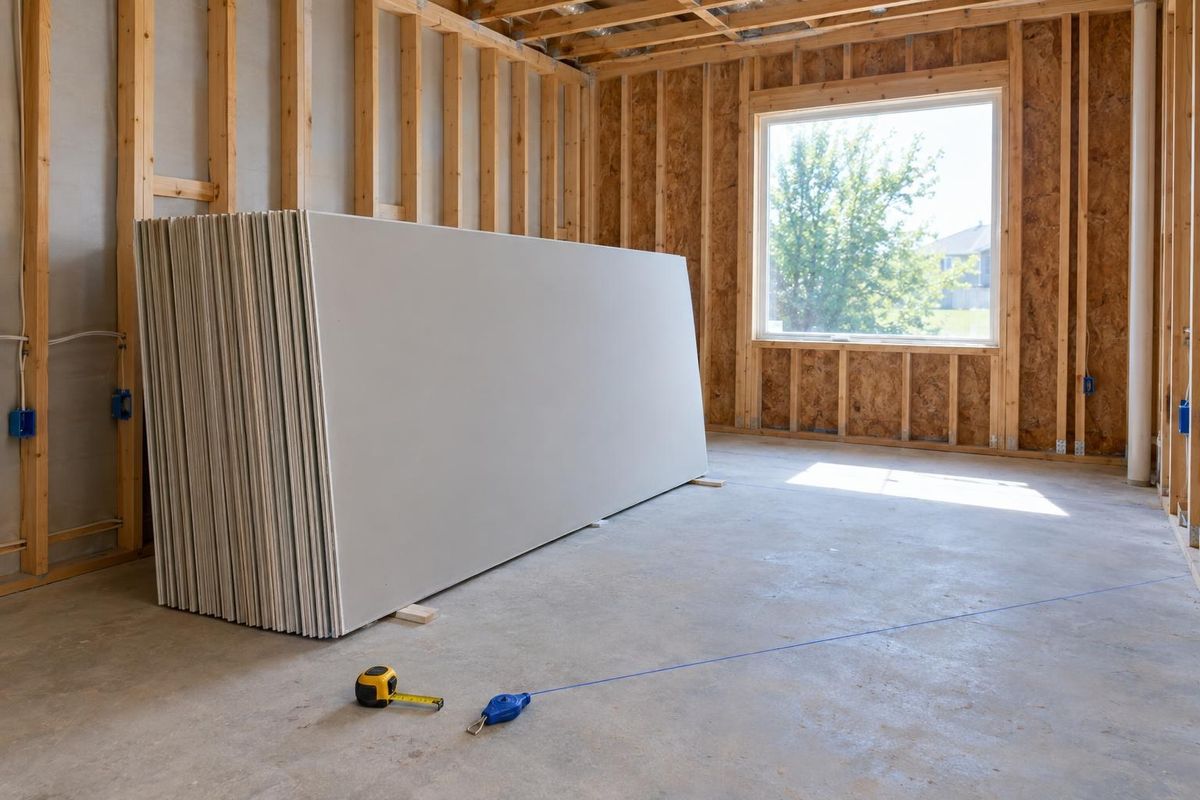
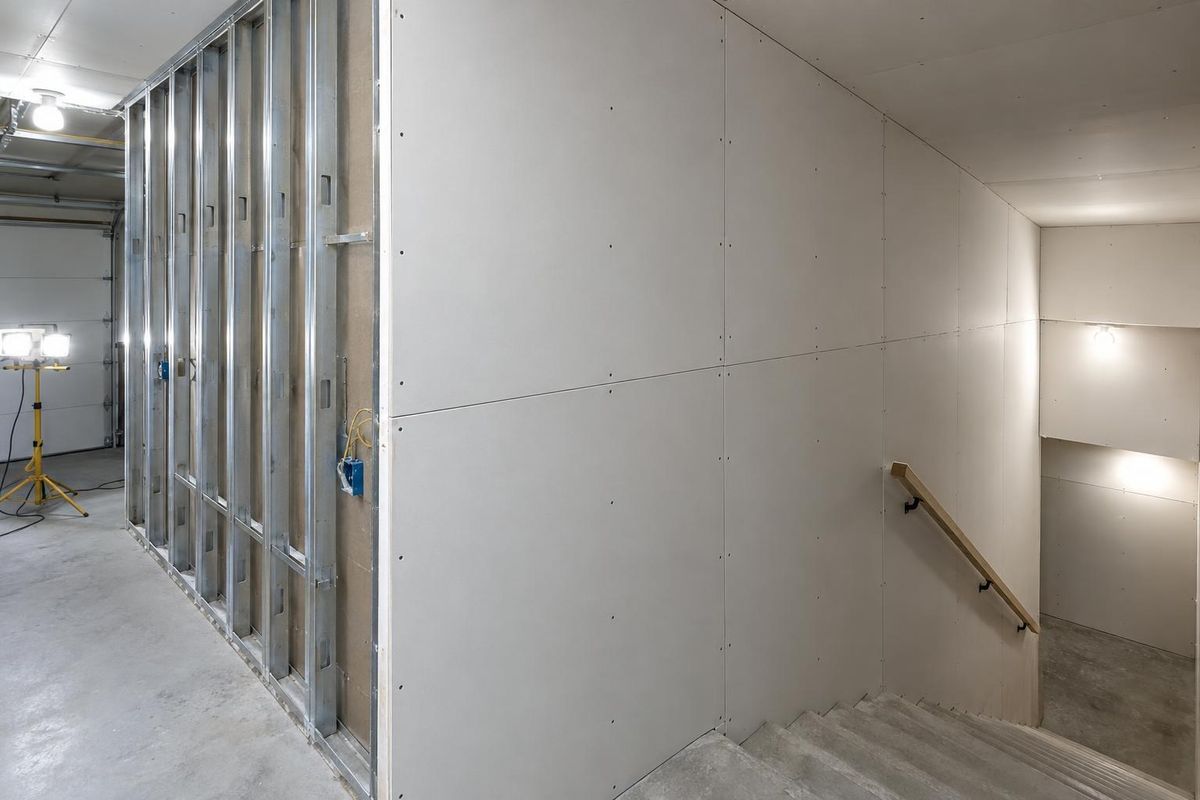
Level 0 is hung board with no tape or compound. Level 1 has tape embedded in compound, with no finishing. Level 2 adds a thin coat of compound over the tape and fasteners. Level 3 adds a second coat and is often used under heavy texture. Level 4 adds a third coat and sanding and is the usual standard for flat paint. Level 5 adds a skim coat across the full surface.
Each step creates a smoother, more uniform wall.
Why lighting matters
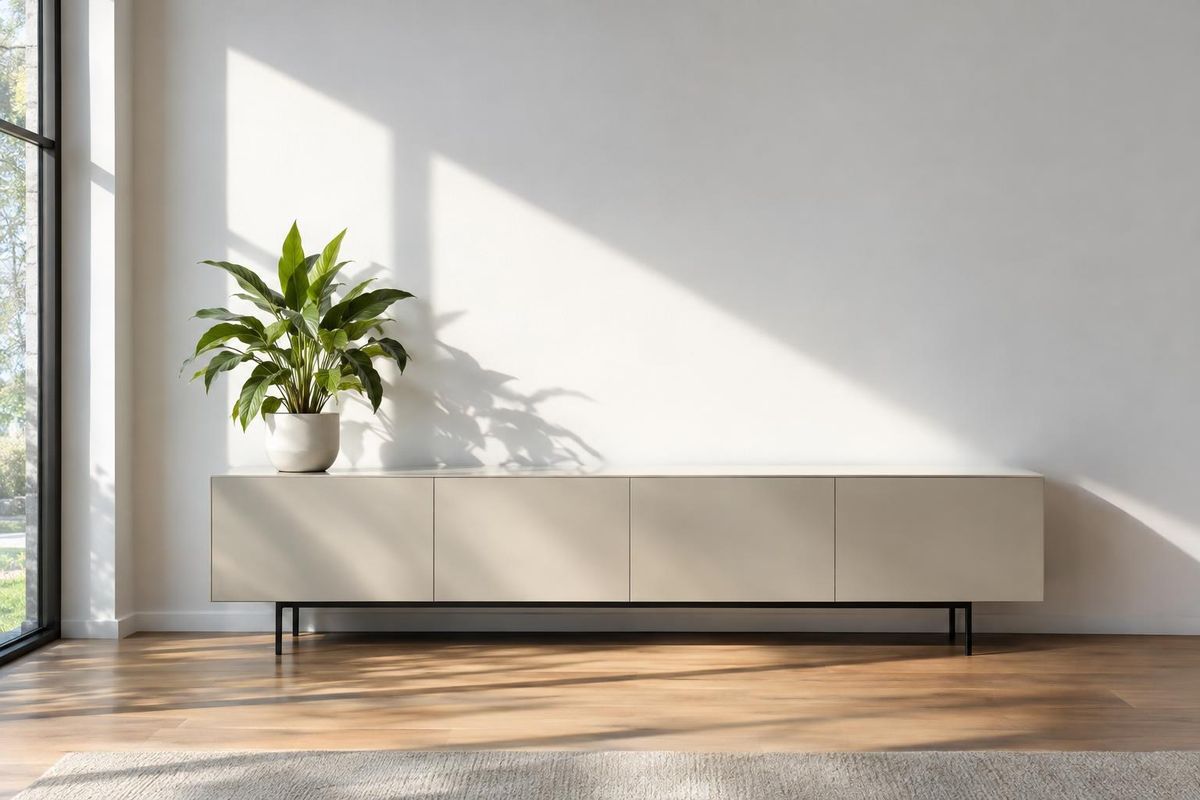
Light that skims across a wall, from a window or a hall light, exaggerates every tiny bump and ridge. In those places, a higher level makes a visible difference. In a room with soft, even light and a textured finish, the extra work hardly shows.
Glossy paints and dark colors reveal flaws more than flat, light colors.
Choosing the right level
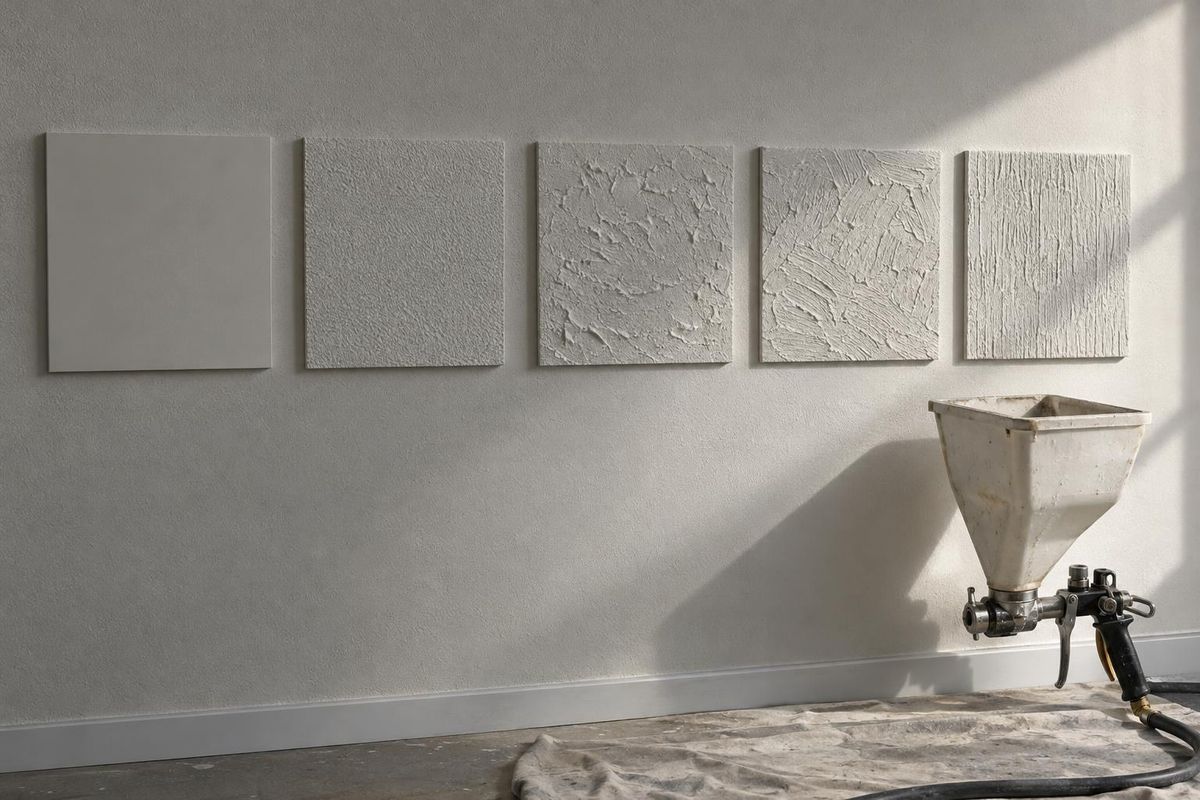
For a bedroom with flat paint and orange peel texture, Level 3 or 4 is plenty. For a living room with smooth walls and a big window, Level 4 or 5 is wise. In a gallery-style space with accent lights, Level 5 gives the smoothest result.
Tell your contractor where light hits and what paint you plan to use.
What Level 5 involves
A thin coat of compound or a specialty skim product is spread over the entire surface and sanded. This hides the contrast between paper and compound. It adds labor and time, but delivers the most uniform look available.
A quality primer is essential after Level 5, so the wall takes paint evenly.
Quick answers
What level do most homes use?
Level 4 for smooth walls and Level 3 or 4 under texture.
Can I upgrade later?
Yes. A skim coat can raise an existing wall to Level 5.
Does a higher level take more time?
Yes, it takes more labor and time, so talk with your contractor about where it matters most.