Key takeaways
- Sound blocking needs mass, damping, decoupling and tight sealing.
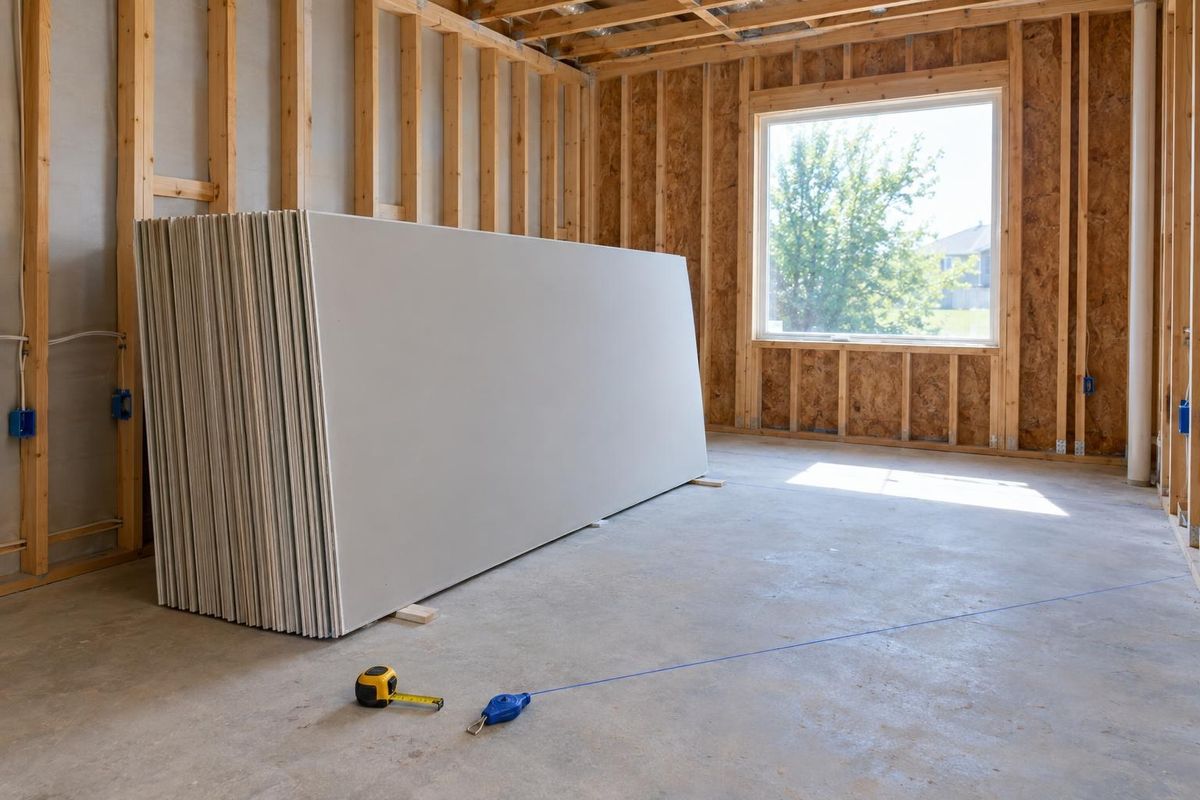
- Extra layers of drywall add mass.
- Damping compound turns vibration into heat.
- Gaps, outlets and doors leak sound unless they are treated.
Mass
Heavier walls block more sound. Adding a second layer of drywall is the simplest way to add mass. Thicker or denser board does the same job in less space.
But mass alone has limits, so other methods are added on top.
Damping
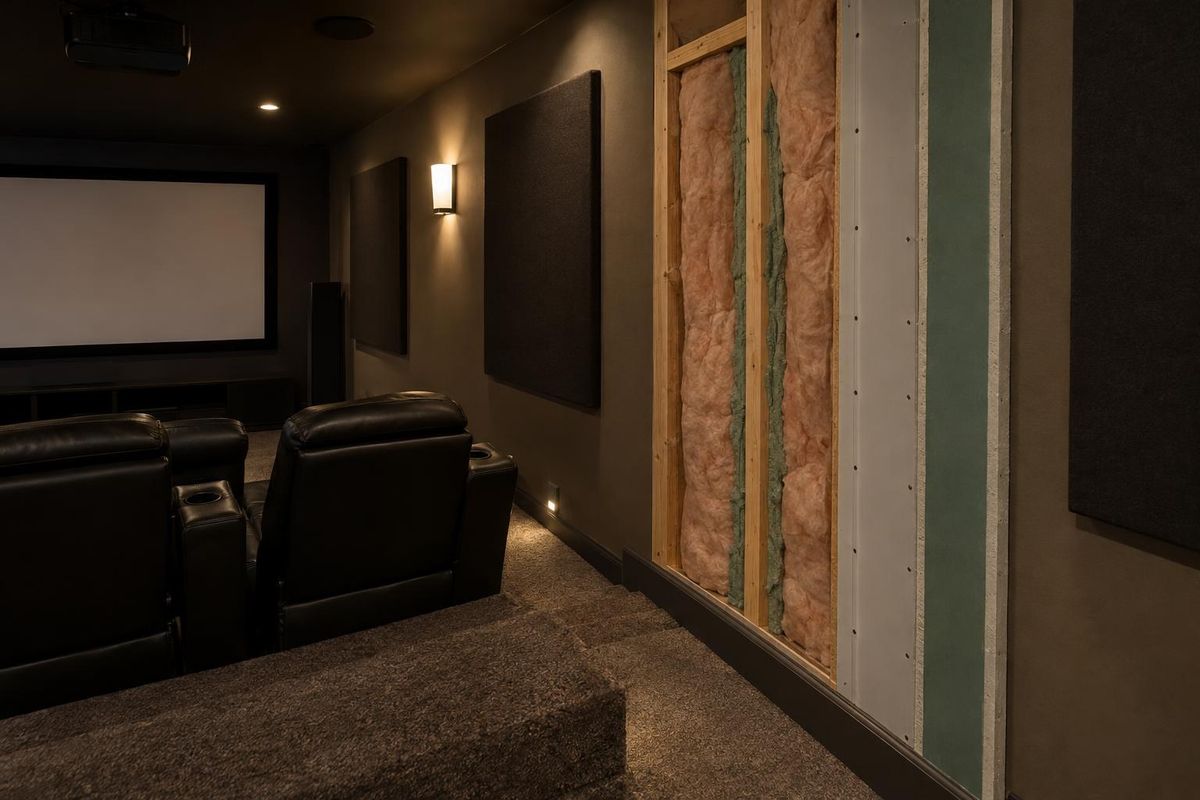
A viscoelastic compound between two layers of drywall dissipates vibration energy. Sound-damping drywall panels build the same idea into a single product. Damping makes the wall less able to ring like a drum.
It works well with two layers of board.
Decoupling and cavity absorption
Resilient channels or staggered studs reduce the connection between the two faces of a wall. Insulation in the cavity absorbs sound that would otherwise bounce between the layers.
These methods are most effective when planned during new construction or a gut remodel.
Sealing the gaps
Sound travels through every opening. Acoustic sealant around the edges and electrical boxes closes leaks. Solid-core doors, door sweeps and sealed vents complete the job. A wall is only as quiet as its weakest point.
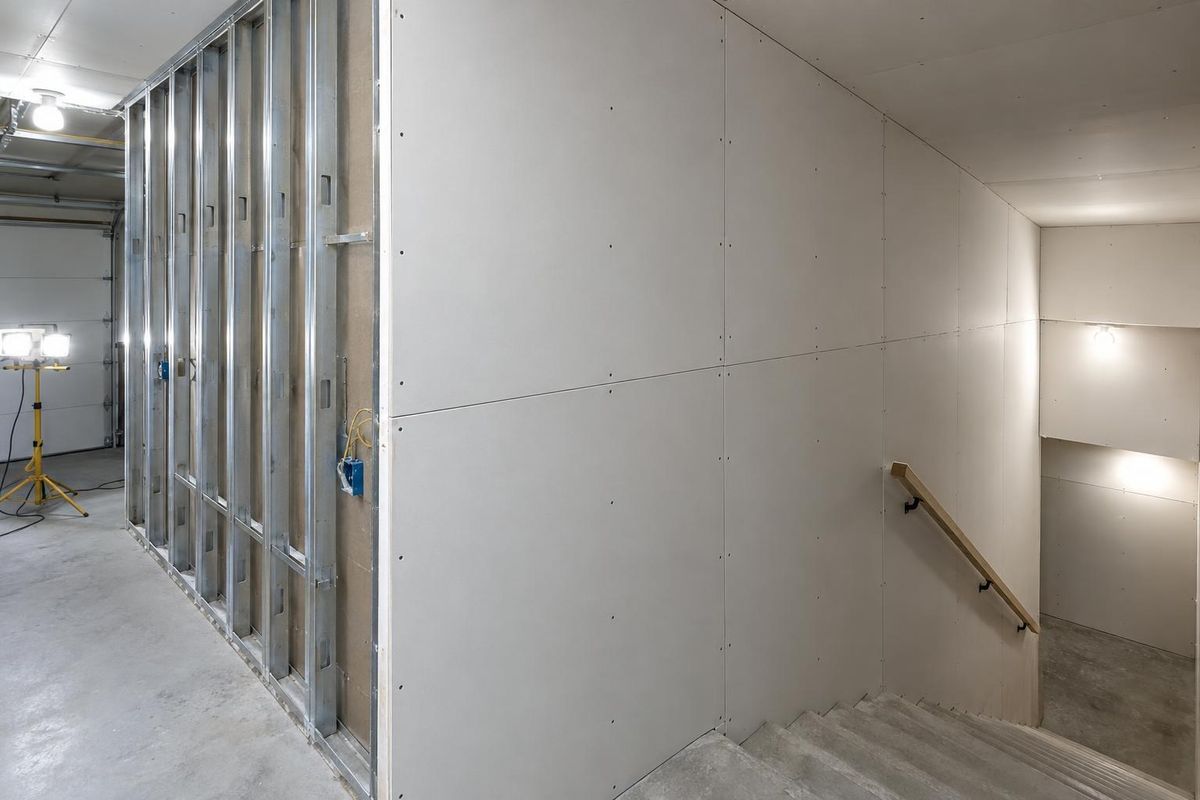
Back-to-back outlets should be offset on opposite sides of the wall.
Quick answers
Will foam panels stop sound?
Foam panels reduce echo inside a room, but they do little to stop sound passing through walls.
Can I add soundproofing to an existing wall?
Yes. A new layer of damped drywall can be installed over the old one.
Is a perfectly silent room possible?
Not practically. Good design makes a big improvement.