Key takeaways
- Texture hides flaws and adds character.
- Orange peel is fine and even, and knockdown is flattened and mottled.
- Skip trowel and slap brush are hand-applied and distinctive.
- Smooth walls need top-level finishing but suit modern styles.
Orange peel
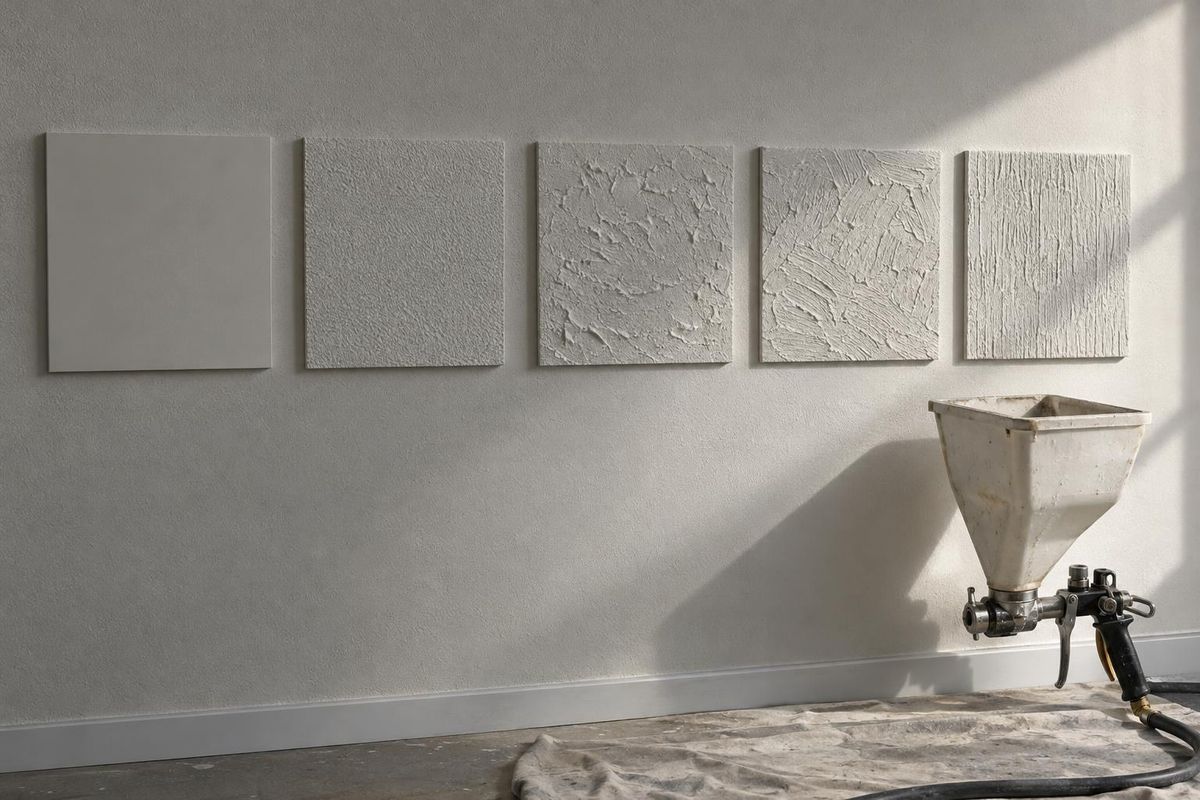
A light spray leaves small, uniform dimples. Orange peel is easy to apply, easy to repair and widely used on both walls and ceilings. It looks neat without being heavy.
It hides minor flaws and is easier to wipe clean than heavier textures.
Knockdown
A thicker compound is sprayed in splatters, then flattened with a knife. The result has soft, irregular peaks and valleys with a mottled look. Knockdown is popular in Middle Tennessee and hides flaws well.
It is slightly harder to match than orange peel, so samples help.
Skip trowel and slap brush
Skip trowel is troweled on by hand, leaving overlapping arcs. Slap brush is dabbed and pulled with a stiff brush. Both look custom and warm, and they suit Mediterranean and Old World designs.
They take real skill and are harder to match if you need repairs later.
Smooth walls
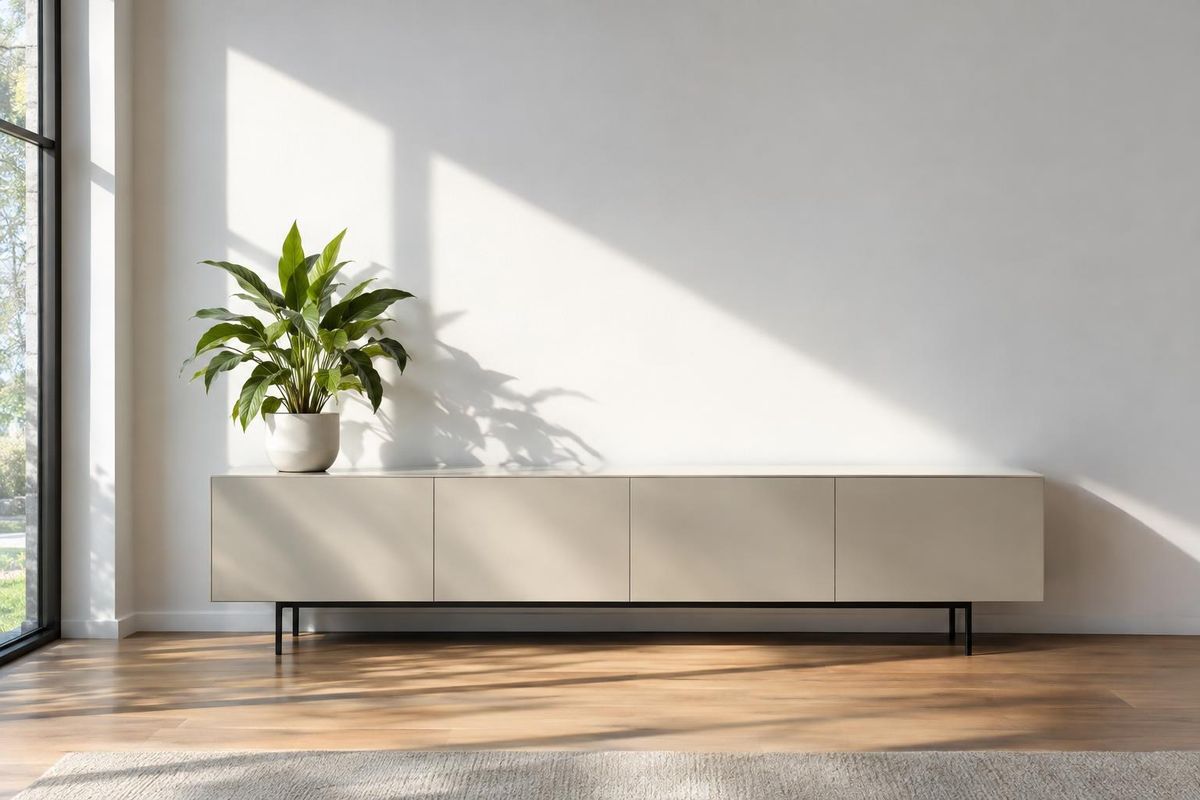
Smooth walls have no texture at all, which gives a modern, clean look. They show flaws more than textured walls and need a higher finish level. They are also the easiest to paint and to wipe clean.
If you are moving from texture to smooth, a skim coat is the usual path.
Quick answers
Which texture hides the most flaws?
Knockdown and heavier textures hide the most.
Which texture is easiest to repair?
Orange peel is usually the easiest to match.
Can I change texture later?
Yes, by skim coating or retexturing.